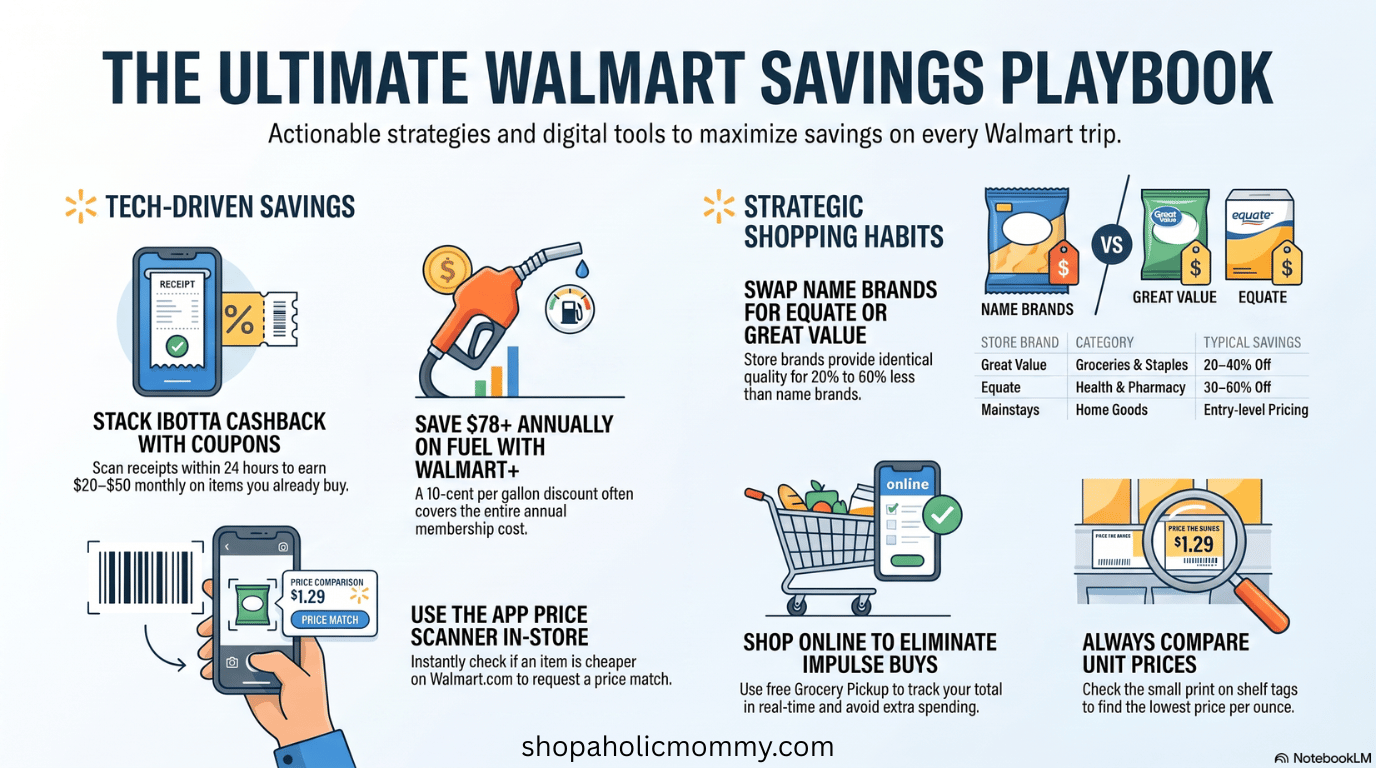
The store brand vs. name brand question comes up in almost every grocery trip, and the answer is almost never “always buy one or the other.” The smart approach is knowing exactly which products are worth the name-brand premium and which ones are identical to the generic, just with a different label and a higher price. Everything in this guide focuses on generic vs name brand, giving you practical, actionable advice you can use right away.
What Every Family Should Know About Generic Vs Name Brand
Why Generic Products Are Usually Just as Good
Here’s the part the big food brands don’t advertise: many store-brand products are manufactured in the same facilities by the same companies that make the name brands. The difference is packaging, marketing spend, and price. A study by Consumer Reports found that in blind taste tests, store brands won or tied name brands in the majority of food categories tested.
The reason national brands cost more has very little to do with the product itself. You’re paying for advertising, celebrity endorsements, shelf placement fees paid to grocery stores, and the cost of maintaining a nationally recognized brand identity. None of that ends up in the food.
Always Buy Generic: These Are Essentially Identical
For these items, the store brand is not a compromise, it is genuinely the same product as the name brand, and there is no rational reason to pay more:
Pantry Staples
- Flour, sugar, salt, baking soda, baking powder, these are commodities. There is no difference.
- Spices, the spice in a store-brand container and a name-brand container come from the same suppliers. Generic spices cost 50 to 75 percent less.
- Vinegar, white vinegar, apple cider vinegar, and balsamic vinegar have no meaningful variation by brand
- Canned tomatoes, beans, and corn, the vegetable inside is the vegetable inside. Occasionally the liquid formulation differs slightly, but it never matters for cooking
- Olive oil, the store brand of a high-quality grocery store or Costco’s Kirkland olive oil has tested well in blind tastings and costs significantly less
- Pasta and rice, commodity products with no meaningful quality difference between brands
Dairy and Refrigerated
- Milk, milk is milk. Nutritional content is regulated and standardized regardless of brand
- Butter, store brand butter is the same product as name brand at a lower price
- Eggs, eggs are graded and sized by regulation. Grade A large eggs are Grade A large eggs
- Cream cheese and sour cream, store brand versions perform identically in cooking and taste essentially the same on a bagel
Over-the-Counter Medications
This is perhaps the most significant money-saving switch of all. Generic OTC medications contain the exact same active ingredients at the exact same dosages as name brands, this is federally regulated by the FDA. Generic ibuprofen is identical to Advil. Generic acetaminophen is identical to Tylenol. Generic cetirizine is identical to Zyrtec. Generic omeprazole is identical to Prilosec.
The price difference is dramatic. A bottle of 200 name-brand Tylenol might cost $14. The identical store-brand acetaminophen costs $4. For a family that regularly buys cold medicine, allergy medicine, pain relievers, antacids, and children’s medications, switching to generics completely can save $300 to $500 per year.
Cleaning and Household Products
- Dish soap, cuts grease the same as name brands at half the cost
- All-purpose cleaner, the active cleaning agents are standardized; the brand name is just the label
- Laundry detergent, store brand detergents (especially from Costco and Walmart) clean just as effectively at a significantly lower per-load cost
- Trash bags, Kirkland and Great Value bags are equally strong and dramatically cheaper than Glad or Hefty
- Paper products, Kirkland (Costco) is widely considered the best value in paper towels and toilet paper; Great Value (Walmart) is a strong second
When Name Brand May Be Worth It
There are genuine cases where the name brand is meaningfully better, or where your family’s preferences make the premium worthwhile:
Strong Family Preferences
If your kids will only eat Heinz ketchup and refuse store-brand ketchup, the savings are theoretical, the store-brand ketchup you buy will go to waste. The same applies to peanut butter, preferred breakfast cereals, and specific condiments your family has strong feelings about. Buy what gets eaten.
Specific Baking Recipes
Most baking is fine with generic ingredients. However, for recipes where texture is critical, chocolate chip cookies, pie crust, certain cakes, using a lower-fat or differently formulated store-brand butter or shortening can produce a noticeably different result. For everyday baking, generics are fine. For special occasion recipes you’ve made before with specific results, consider sticking with what works.
Coffee
Coffee is more personal than almost any other grocery item. If you care about your morning coffee, buy what you like. The savings on coffee don’t matter if you’re not going to drink it. That said, Costco’s Kirkland coffee (especially the Starbucks-roasted Kirkland blend) is genuinely good and significantly cheaper per pound than buying Starbucks directly.
The Test-and-Switch Method
The most practical approach to the generic vs. name brand question: test systematically. Take one category per shopping trip and buy the generic version. If your family can’t tell the difference (or prefers the generic), you’ve found a permanent saving. If they notice and complain, you’ve learned that’s one category where the name brand is worth it for your family.
Most families who do this discover that the generic works fine for 80 to 90 percent of their regular purchases, with only a handful of items where the name brand is genuinely preferred. That ratio, generics for almost everything, name brand for a few specific items, is the optimal balance of savings and satisfaction.
Related Guides
- How to Save Money on Groceries: The Complete Guide for Families
- How to Feed a Family on $100 a Week (With a Real Grocery List)
- Couponing for Beginners: The Modern Guide to Saving on Groceries and More
For independent buying advice, Consumer Reports shopping guides is an excellent free resource families can rely on.
Frequently Asked Questions
Often yes. It’s an open secret in the food industry that major manufacturers produce store-brand products alongside their own brands using the same facilities and often the same formulations. Trader Joe’s and Aldi have built their entire business model around this fact, selling goods manufactured by recognizable companies under their own labels.
Yes. Infant formula sold in the United States is one of the most tightly regulated food products the FDA oversees. All formula, name brand or generic, must meet the exact same nutritional standards. Generic infant formula contains the same nutrients in the same proportions as name-brand formula at a significantly lower price.
Switching from name brands to store brands on 80% of your regular grocery purchases typically saves 20 to 30 percent on the grocery bill overall. For a family spending $800 per month on groceries, that’s $160 to $240 per month, $2,000 to $3,000 per year, for no change in what you eat, just a change in whose name is on the package.
Pair these strategies with a solid complete family meal planning guide to get the most out of your grocery budget every week.
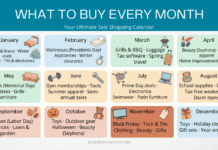
Before you shop, check our complete monthly shopping calendar to time your purchases for the lowest prices.
Image disclosure: Images in this post are AI-generated and used for illustrative purposes only. They do not depict real people or events. See our full AI disclosure policy.