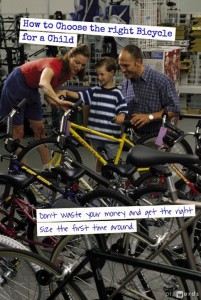
How to Choose the right Bicycle for a Child

Choosing the right bicycle for a child is one of those purchases where getting it right makes all the difference. The perfect bike empowers a child to ride with confidence and joy; the wrong one discourages them before they’ve really had a chance to try. Whether you’re buying a first bike for a toddler or upgrading a growing child to their next set of wheels, this guide walks you through everything you need to know to make the right choice. This guide covers everything you need to know about how to choose right bicycle child, with practical steps that work for real families.

Why It Pays to Choose Right Bicycle Child: How to Get Started

How to Choose the Right Bicycle for a Child

Start With the Right Fit: Size Above All

The single most important factor in choosing a child’s bicycle is fit, and children’s bikes are sized by wheel diameter, not age. The right wheel size depends on your child’s height and inseam, not their birthday. When seated on the bike, a child should be able to place both feet flat (or very nearly flat) on the ground. This allows them to stop safely and feel secure. A bike that’s too large is difficult to control and can make the experience frightening rather than fun.

A general starting guide by wheel size: 12″ wheels for toddlers (roughly ages 2-4, inseam 14-17″), 14″ for ages 3-5 (inseam 16-20″), 16″ for ages 4-6 (inseam 18-22″), 20″ for ages 5-8 (inseam 20-24″), and 24″ for ages 7-11 (inseam 22-26″). These are guidelines, not rules, always sit the child on the actual bike before buying.

First Bikes: Balance Bike or Training Wheels?

For a child’s very first bike experience, balance bikes have become the strongly recommended option over training wheels. A balance bike has no pedals, children sit on the seat and use their feet to scoot and eventually glide, naturally developing the balance and steering skills needed to ride a two-wheeler. Children who start on a balance bike typically transition to pedal bikes remarkably fast (often within hours) because they’ve already mastered the hardest skill: balancing. Training wheels, by contrast, prevent a child from ever learning to balance until the wheels come off, at which point they’re essentially starting from scratch.

Choose Lightweight Over Heavy

Bike weight is critically important for children, whose bodies are small relative to the bike. A general rule: a child’s bike should weigh no more than 40% of the child’s body weight, though lighter is always better. Heavy bikes are harder to balance, steer, and control, and they discourage younger riders who struggle to manage the extra weight. Look for aluminum frames rather than steel when possible, aluminum bikes are consistently lighter and still durable. Avoid bikes laden with unnecessary plastic accessories that add weight without purpose.

Check the Brakes Carefully

Children need to be able to reach and squeeze the brakes easily. Before buying any bike, have your child grip the handlebars and squeeze the brake levers, if they can’t do this comfortably with their full hand, the bike isn’t right for them yet. For very young children (under 5), coaster brakes, which engage when you pedal backward, are often easier to use than hand brakes. Older children and teens generally transition to hand brakes, which offer more control. Some bikes offer both.

Consider the Number of Gears

For most children under 8 riding on flat neighborhood streets and bike paths, a single-speed (no-gear) bike is ideal. Gears add mechanical complexity, additional weight, and require maintenance, none of which benefits a young casual rider. As children get older and start riding on hills or longer distances, a bike with 3-7 gears becomes useful. For teen riders on varied terrain, more gears provide meaningful advantages. Match the gear count to how and where the child actually rides.

Quality vs. Price: What to Know

The cheapest children’s bikes sold at large retailers often cut corners in ways that matter: heavier frames, lower-quality components, harder-to-adjust brakes, and less durable construction. A child riding a poorly made, heavy bike works harder and has less fun than one riding a well-made bike. Quality children’s bikes from reputable brands (Specialized, Trek, Cleary, Pello, Guardian) cost more upfront but last through multiple riders and resell well. A gently used quality bike is often the best value of all, look at bike co-ops, Facebook Marketplace, and local cycling communities.

Don’t Forget the Helmet

A properly fitted, certified helmet is as essential as the bike itself. A helmet should sit level on the head (two finger-widths above the eyebrows), fit snugly without rocking, and buckle under the chin so only one finger fits between strap and chin. Let children choose their own helmet from among safe options, a helmet they think is cool is a helmet they’ll actually wear. Replace any helmet after an impact, even if there’s no visible damage.

Quick Checklist for Choosing a Child’s Bike

  • Fit first: Child can sit on the seat and touch the ground with both feet nearly flat
  • Weight check: Bike should be no more than 40% of child’s body weight
  • Brake test: Child can reach and squeeze brake levers comfortably
  • Age-appropriate features: Single speed for young children; gears for older riders on hills
  • Quality frame: Aluminum over steel for best weight and durability at price
  • Helmet included: Budget for a certified, well-fitting helmet as part of the purchase
  • You Might Also Like

    Looking for more helpful family tips? Check out our guides on Child’s bedroom, explore everything about Bicycle shopping families, and don’t miss our practical advice on Speech milestones child not.

    For additional resources, Consumer Financial Protection Bureau is an excellent free resource families can rely on.

Frequently Asked Questions

How do I know what size bike to get my child?

Have your child stand over the bike frame, there should be 1-2 inches of clearance between them and the top tube. When seated, they should be able to touch the ground with both feet (balls of the feet for older kids, flat feet for younger children and beginners). Use wheel size charts as a starting point, but always verify with the child seated on the actual bike. When in doubt, a bike shop can measure your child’s inseam and recommend the right size in minutes.

Should I buy my child’s bike a size bigger so they can grow into it?

No, this is one of the most common bike-buying mistakes parents make. A bike that’s too large is harder to control, harder to stop, and can be genuinely unsafe for a child. A child who feels unsteady and out of control on a too-big bike often loses confidence and interest in riding entirely. Buy the right size now, and budget for the next size when they grow. Children’s bikes at the right size hold their resale value well and can be sold when outgrown.

How old should a child be to ride a bike without training wheels?

Most children are ready to ride a two-wheeler between ages 3 and 6, but readiness varies significantly by child. Children who learned on balance bikes often transition very early (as young as 2.5-3 years). Those transitioning from training wheels may take until age 5-7. Rather than age, look for readiness signs: the child has good coordination, can steer a balance bike or scooter confidently, and shows interest in riding independently. Patience and positive encouragement matter far more than hitting a particular age milestone.

Are cheap kids’ bikes from big box stores worth buying?

In most cases, no, not when compared to a quality used bike or a reputable entry-level brand. Inexpensive big-box bikes are typically heavier, harder to adjust, and constructed with lower-quality components that make them less enjoyable to ride and more prone to issues. If budget is a concern, a gently used quality bike from a local bike co-op, a bike shop’s used inventory, or a trusted online marketplace is usually a far better investment than a new budget bike.

What accessories does my child need with a new bike?

A certified helmet is essential and non-negotiable. Beyond that, appropriate safety gear depends on the child’s age and riding environment: knee pads and elbow pads for young beginners, a bike bell for shared paths, and front and rear lights for riding near roads or in low-light conditions. A good bike lock is important from day one. For very young riders, consider handlebar grips in the right size, and make sure any accessories don’t add significant weight to an already well-fitted bike.

Tina
Tina
Thirty-something, work at home proud mother of two kids, full time marketer, part time writer and lots of jobs in between. I'm married to my best friend and high school sweetheart, love to cook, read, and help companies market themselves. I love to hear from my readers so leave a comment to join the conversation! Tina Becci
TinaB
Doing what I can to keep moving forward

Must Read