A capsule wardrobe is a curated collection of versatile, high-quality pieces that work together to create many outfits from fewer clothes. Done right, it means getting dressed is easier, your closet feels calmer, and you spend less on clothing overall, because you’re buying intentionally rather than reactively. This guide walks you through how to build a capsule wardrobe on a budget, including what to keep, what to buy, and where to find quality pieces without paying retail prices. This guide covers everything you need to know about how to build capsule wardrobe budget, with practical steps that work for real families.
Why It Pays to Build Capsule Wardrobe Budget: How to Get Started
Why a Capsule Wardrobe Actually Saves Money
Most people’s relationship with their closet is the opposite of a capsule wardrobe: too many clothes, most of them not quite right, and constant purchases of new things to solve a problem that buying doesn’t actually fix. The result is a full closet and nothing to wear.
A capsule wardrobe reverses this. You define what you need, buy those specific things, and stop. The money saved from not buying clothes impulsively, the “I needed something for this event” purchase, the trend piece that looked great in the store, the sale item that didn’t fit quite right but was too good a deal to pass up, adds up to hundreds or thousands of dollars per year for most women.
Step 1: Start With What You Already Own
Before buying anything, do a full closet audit. Pull everything out. Try on what you haven’t worn in the last year. Make three piles:
- Keep: fits well, you feel good in it, it’s appropriate for your actual life, you wear it
- Donate/sell: doesn’t fit, doesn’t work with anything else, you feel bad in it, you haven’t worn it in a year or more
- Maybe: items you’re uncertain about, set these aside and reassess in a week
Be ruthless. Items that “might fit someday” or “would work if you had the right shoes” or “were expensive so you feel guilty letting go”, these are costing you clarity every time you open your closet. Let them go.
What remains after the audit is the foundation of your capsule. You may already have more of your capsule than you think.
Step 2: Define Your Actual Life (Not Your Fantasy Life)
A capsule wardrobe works when it reflects how you actually live, not how you imagine you’ll live someday. If you work from home and spend most of your time in casual clothes, a capsule built around polished office attire won’t serve you. If you have young kids and are always at playgrounds and school drop-off, clothes that require dry cleaning will stay in your closet.
A simple way to map your life: track what you wear for one week. The patterns will tell you exactly what categories of clothing you need most.
Step 3: Build Your Core Capsule
A capsule wardrobe for most women includes roughly 30-40 pieces total (not counting underwear, socks, and workout-specific clothes). The exact number matters less than having pieces that all work together. Here’s a starting framework, adjust for your life and climate:
Tops (8-10)
- 3-4 classic t-shirts in neutral colors (white, black, gray, navy)
- 2 long-sleeve shirts or thermal tops
- 1-2 button-down shirts (versatile enough for casual and dressier situations)
- 1-2 blouses or nicer tops for occasions that call for them
Bottoms (4-6)
- 2 pairs of jeans (one darker wash for versatility)
- 1-2 pairs of trousers or chinos
- 1 casual skirt or dress that works for multiple situations
Dresses (2-3)
- 1 casual day dress
- 1 dressier option for events
- 1 versatile wrap dress (works for many occasions)
Outerwear (2-3)
- 1 everyday jacket or blazer
- 1 warm coat for your climate
- 1 rain jacket or lighter layer
Shoes (4-6)
- 1 everyday sneaker
- 1 flat shoe (loafer, ballet flat, or similar)
- 1 boot for fall/winter
- 1 sandal for warm weather
- 1 dressier shoe for occasions that call for it
Color Strategy
The more your capsule pieces share a color palette, the more outfits you can make from the same number of pieces. A classic approach: choose 2-3 neutral base colors (black, navy, gray, camel, white) that work together, and 1-2 accent colors you love. Pieces in these colors mix and match freely, multiplying your outfit options without multiplying your clothing.
Step 4: Identify Your Gaps and Shop Intentionally
After your audit and framework, you have a gap list, specific items you need that you don’t already own. This list is what you shop from. Not what’s on sale. Not what looks good on a mannequin. The specific items that complete your capsule.
Shopping with a gap list changes the experience entirely. You walk into a store or open a website looking for one specific thing. You’re not browsing; you’re searching. If you don’t find what’s on your list, you leave (or close the browser) without buying anything. This is how a capsule wardrobe saves money, the discipline is in the list, not in willpower at the point of purchase.
Where to Buy Capsule Wardrobe Pieces on a Budget
Secondhand First
For capsule wardrobe pieces, secondhand is the smartest starting point. Quality basics, a good trench coat, a well-made blazer, quality denim, leather loafers, appear constantly on Poshmark, thredUP, and Facebook Marketplace at a fraction of retail cost. Buying a $15 thredUP blazer that would retail for $80 is better on a budget than buying a $35 fast fashion blazer that won’t last a year.
Quality Over Quantity (Even at Budget Prices)
Within your budget, prioritize quality in the highest-wear pieces, the t-shirts you wear weekly, the jeans you wear constantly, the coat that defines your winter look. Fast fashion alternatives seem cheaper but often cost more per wear because they don’t hold up. On a tight budget, buy fewer pieces of higher quality (secondhand if needed to get the quality) rather than more pieces of lower quality.
Best Budget-Friendly Capsule Sources
- thredUP: Search by brand, size, and category to find specific capsule pieces
- Poshmark: Good for quality brands at lower prices; negotiate with sellers
- Everlane: Quality basics at accessible (not budget) prices with transparent manufacturing costs
- Quince: Quality materials (cashmere, linen, leather) at dramatically lower prices than comparable brands
- Target: Universal Thread and A New Day lines offer stylish basics at genuine value pricing
- Uniqlo: Japanese brand known for quality basics, especially their Supima cotton tees and cashmere
- Old Navy: Reliable basics at low prices, especially during sales
- TJ Maxx and Marshalls: Quality brand pieces at off-price, best for outerwear and shoes
Capsule Wardrobe Maintenance: Keeping It Working
Shop Only From Your Gap List
A capsule wardrobe only saves money long-term if you stop impulse buying. When something catches your eye in a store or online, ask: is it on my gap list? If yes, consider it carefully. If no, leave it. Keep adding to your gap list when you identify genuine needs, and shop those needs specifically.
Care for What You Own
Quality pieces last much longer with proper care. Wash delicates on cold and hang or flat dry. Treat stains immediately. Store sweaters folded rather than hung. Polish leather shoes. Repair things that are repairable, a loose button or small hole addressed early prevents a piece from becoming unwearable. The average garment’s lifespan doubles with proper care.
Reassess Seasonally
At the start of each season, do a quick reassessment. What didn’t you wear last season? Let it go. What do you actually need? Add it to the gap list. This keeps the capsule current and prevents it from accumulating pieces that have stopped serving you.
Related Guides
- How to Save Money on Clothing for the Whole Family
- The Complete Guide to Secondhand Shopping and Thrifting for Families
- How to Save Money on Kids’ Clothing: The Complete Family Guide For more budgeting resources, the Consumer Financial Protection Bureau budgeting tools is an excellent free resource families can rely on.
>
Frequently Asked Questions
The classic capsule is 33 items or fewer (Project 333 is a popular framework). Practically, most women find 30-40 pieces creates sufficient variety for daily life without feeling restrictive. The right number depends on your life, a person who needs a wide range of dress codes in their week needs more pieces than someone with a consistent daily routine.
Start with your existing closet, most people have the foundation already. Add only what’s genuinely missing, prioritizing from your gap list. Shop secondhand first (thredUP, Poshmark, Facebook Marketplace) for quality pieces at low prices. Buy new only for items you can’t find secondhand or that are better purchased new (certain basics, shoes). Take your time, building a capsule over 6-12 months is completely fine and lets you be more intentional than trying to complete it in one shopping trip.
For most people who implement it consistently, yes significantly. The savings come from stopping impulse purchases (which can total hundreds to thousands per year), buying intentionally rather than reactively, and getting more wear per piece by owning a coordinated set rather than disconnected individual items. The biggest savings come from the change in buying behavior, not from paying less per item.
The Bottom Line
A capsule wardrobe isn’t about minimalism for its own sake: it’s about having exactly what you need, loving what you own, and not wasting money on things that don’t work for your actual life. Start with what you already have, identify genuine gaps, shop those gaps intentionally (secondhand first), and stick to the list. The result is a closet that’s calmer, a getting-dressed process that’s faster, and a clothing budget that goes much further than before.
For more ways to take control of your family finances, see our complete guide to stopping overspending.
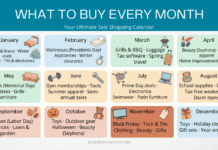
Before you shop, check our complete monthly shopping calendar to time your purchases for the lowest prices.
Image disclosure: Images in this post are AI-generated and used for illustrative purposes only. They do not depict real people or events. See our full AI disclosure policy.