
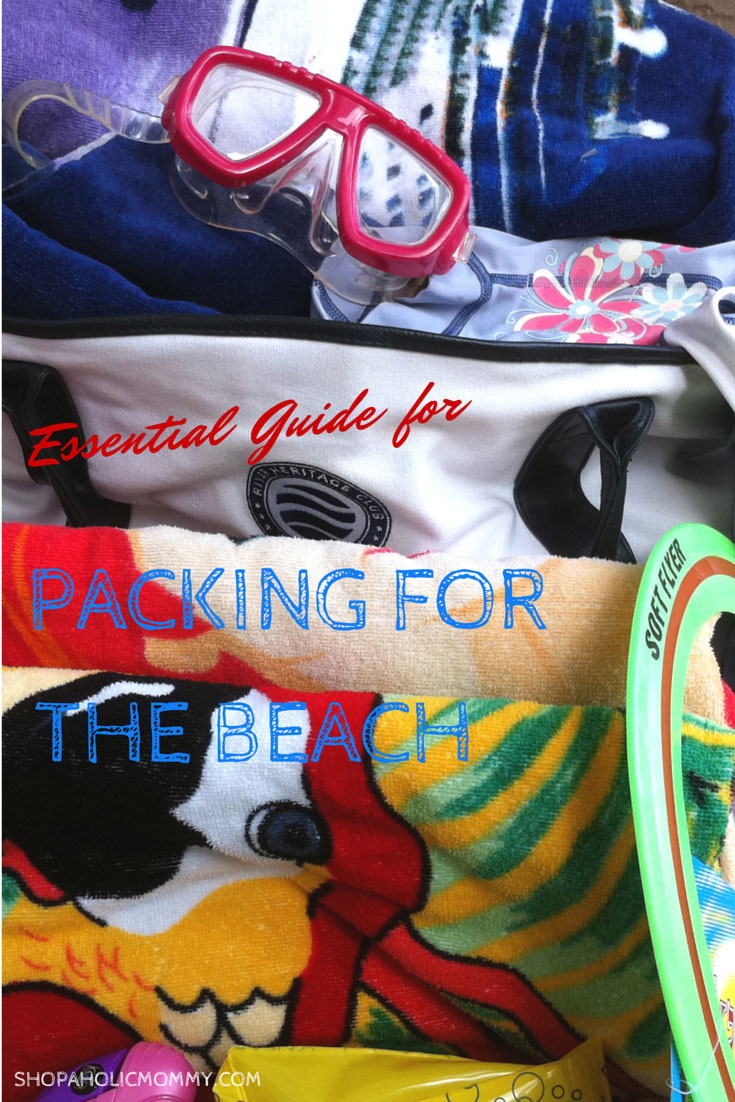
A great day at the beach, pool, or boat starts with a well-packed bag. There’s nothing worse than arriving at the water and realizing you forgot the sunscreen, the snacks, or the one toy your child can’t enjoy the water without. After many summers of trial and error, a well-stocked beach bag has become second nature, and it makes all the difference between a stressful day scrambling for what you need and a relaxed, fun-filled outing everyone loves. Here’s the ultimate list of beach bag essentials for families. Everything in this guide focuses on beach bag necessities trip, giving you practical, actionable advice you can use right away.
Understanding Beach Bag Necessities Trip: Tips Every Parent Can Use
Beach Bag Essentials for Your Family Trip
Sun Protection
Sun protection is the non-negotiable foundation of any beach bag. Pack a broad-spectrum SPF 50 sunscreen (or higher for young children) and plan to reapply every two hours and after getting out of the water. Spray sunscreens are convenient for wriggly kids, but lotion sunscreens provide better coverage. Add UV-protective rash guards for kids who burn easily, wide-brimmed hats for everyone, and UV-blocking sunglasses. A beach umbrella or pop-up sun shelter provides critical shade for infants and toddlers who shouldn’t be in direct sunlight for extended periods.
Plenty of Towels
Pack one towel per person, and then pack one more. Towels go fast when kids are running in and out of the water repeatedly, and a dry towel for the car ride home is worth its weight in gold. Oversized beach towels are more versatile than standard bath towels and provide enough room for kids to lie down, wrap up, and play on the sand. Microfiber towels are an excellent compact alternative if bag space is tight, they dry fast, fold small, and absorb water surprisingly well.
Plenty of Water and Snacks
Dehydration is a real risk on hot beach days, especially for young children who are active and in the sun. Pack more water than you think you’ll need, an insulated cooler bag keeps drinks cold even in the heat. For snacks, stick to items that hold up well in the heat and don’t attract too many bugs: grapes, apple slices, string cheese, granola bars, crackers, and cut vegetables all travel well. Avoid chocolate and whipped items that melt in the heat. Salty snacks help replace electrolytes, and kids who are sweating and playing hard will be genuinely hungry by mid-morning.
Sand Toys and Entertainment
A bucket and shovel are the classic beach essentials for good reason, kids can spend hours digging, building, and filling. Add a few molds for sandcastles, a small net for tide pool exploration, and a frisbee or light ball for older kids. For longer beach days, a small waterproof speaker for music, a few books or magazines for the adult downtime when kids are content in the water, and a deck of waterproof cards for the inevitable cloudy stretch make the day more enjoyable for everyone. Leave the expensive electronics at home, sand and water are their enemies.
First Aid and Safety Essentials
A small first aid kit is always worth packing. Include bandages, antiseptic wipes, pain reliever, and after-sun lotion or aloe vera gel for sunburn relief. Pack any necessary medications, including antihistamines for bee stings or allergic reactions. For beach days, a small bottle of white vinegar can neutralize jellyfish sting pain if it occurs. Life jackets for non-swimming children are non-negotiable at boat outings and recommended at any open water beach for young children, even strong swimmers should have life jackets available in open water settings.
Dry Clothes and a Change for Everyone
Pack a full change of dry clothes for each child, and yourself. Sand-filled wet swimsuits on a car ride home are deeply uncomfortable, and inevitably someone will want to stop for ice cream or food on the way home when everyone is in wet bathing suits. Dry clothes make the transition from beach to restaurant or errands effortless. Pack them in a separate waterproof bag inside the beach bag so they stay completely dry regardless of how wet everything else gets.
The Sand Exit Kit
Sand gets everywhere, shoes, hair, the car, and somehow the kitchen later that evening. Make your exit easier with a dedicated sand removal kit: a small spray bottle filled with fresh water (or baby powder, which absorbs moisture and makes sand brush right off skin), a fine-toothed comb for sandy hair, and a large zip-lock bag for sandy swimsuits and shoes. A quick rinse of feet before getting in the car prevents most of the sand migration. A small broom in the car trunk for the final sweep isn’t overkill.
Keeping Kids Comfortable and Safe at the BeachA well-packed beach bag makes the difference between a relaxing family day and a stressful one. When kids are in the mix, sun protection becomes the top priority, broad-spectrum sunscreen with a high SPF, reapplied every couple of hours and immediately after water time, protects little ones who may not notice how quickly Florida or coastal sun can burn. Rash guards and sun hats add an extra layer of coverage without requiring constant reapplication, making them practical additions to any beach bag checklist for families.
Hydration is equally critical, especially when kids are active in the heat. Insulated water bottles that keep drinks cold through long beach sessions are worth every bit of space they take in your bag. Packing a few small snacks that hold up in the heat, granola bars, crackers, grapes in a sealed container, means you can stay at the beach longer without cranky, hungry children pulling the day short. A small first aid kit with bandages and antiseptic wipes rounds out the essentials for families heading to the shore.
Beach Bag Organization: Finding Things Fast When It Matters
The right beach bag isn’t just about what goes inside: it’s about being able to find it quickly. Families often struggle with oversized, disorganized bags where sunscreen disappears under towels and car keys vanish in the sand. Bags with exterior pockets for essentials like sunscreen, snacks, and sunglasses make access fast and keep the interior organized for larger items like towels and changes of clothes. Waterproof pouches within the bag protect phones, wallets, and any electronics from both sand and splashing water.
Color-coded pouches or small zip bags for each family member’s personal items, one for each kid’s sunscreen, goggles, and a spare shirt, dramatically reduce the chaos of a busy beach day. A designated “wet zone” in the bag, either a waterproof compartment or a reusable wet bag tucked inside, gives wet swimwear and sandy towels a contained space on the way home instead of soaking everything else. The best beach bag for a family is one everyone can navigate intuitively, even little hands looking for their own snack.
You Might Also Like
Looking for more helpful family tips? Check out our guides on Fishing, explore everything about Stop overspending, and don’t miss our practical advice on Negotiate salary raise.
For travel health guidance, CDC travel health information is an excellent free resource families can rely on.
>Frequently Asked Questions
For children, dermatologists recommend a broad-spectrum, water-resistant sunscreen with SPF 50 or higher. Mineral sunscreens containing zinc oxide or titanium dioxide are generally considered safer for children’s skin than chemical sunscreens and tend to be less irritating. Apply generously 15–30 minutes before sun exposure and reapply every two hours and immediately after coming out of the water, even if the product claims to be “all day.” Don’t forget often-missed spots: ears, back of the neck, tops of feet, and shoulders.
Baby powder is the secret weapon for sand removal, dust it onto sandy skin, and the powder absorbs the moisture that makes sand stick, allowing it to brush right off. Keep a small bottle in your beach bag specifically for this purpose. For sandy hair, a quick rinse with fresh water followed by combing through with a wide-tooth comb while damp works well. Avoid rubbing sandy skin vigorously with a towel, which can cause irritation, shake the towel first and then gently pat dry.
The best beach bag for families is large, structured, and ideally mesh-bottomed or wipeable inside so sand doesn’t collect in the lining. Look for a bag with multiple pockets for organization, at least one insulated compartment for drinks and food, and sturdy handles or a backpack option if you’re traveling a distance from the parking area to the beach. Waterproof or water-resistant exterior material is a significant advantage. Popular options include large mesh totes, canvas weekender bags, and purpose-built beach tote backpacks that can hold everything a family of four needs for a full day.
Infant sun safety requires extra care: babies under 6 months should be kept completely out of direct sunlight, and mineral sunscreen can be used sparingly on small exposed areas. Keep infants in a UV-protective tent or beach shelter in the shade. Toddlers at the water’s edge should always have an adult within arm’s reach. A portable beach tent with UV protection is an excellent investment for families with babies and toddlers, it provides shade, reduces wind, and gives little ones a safe enclosed space to nap. Stay especially alert around water; drowning can happen silently and very quickly.
The best beach snacks are ones that don’t melt, hold up to heat, don’t attract bees excessively, and can be eaten with sandy hands. Good choices include grapes, apple slices, cut vegetables and hummus, string cheese (keep it iced), crackers and pretzels, granola bars, trail mix, and sandwiches wrapped tightly. Freeze water bottles the night before, they double as ice packs that melt into cold drinking water as the day goes on. Avoid chocolate, whipped cream items, and anything that requires refrigeration and is sensitive to temperature fluctuations.